Shark Lady: The True Story of How Eugenie Clark Became the Ocean's Most Fearless Scientist (Women in Science Books Marine Biology for Kids Shark Gifts)

One of New York Times' Twelve Books for Feminist Boys and Girls!This is the story of a woman who dared to dive defy discover and inspire. This is the story of Shark Lady. One of the best science picture books for children Shark Lady is a must for both teachers and parents alike!An Amazon Best Book of the MonthNamed a Best Children's Book of 2017 by Parents magazineEugenie Clark fell in love with sharks from the first moment she saw them at the aquarium. She couldn't imagine anything more exciting than studying these graceful creatures. But Eugenie quickly discovered that many people believed sharks to be ugly and scary?and they didn't think women should be scientists.Determined to prove them wrong Eugenie devoted her life to learning about sharks. After earning several college degrees and making countless discoveries Eugenie wrote herself into the history of science earning the nickname 'Shark Lady.' Through her accomplishments she taught the world that sharks were to be admired rather than feared and that women can do anything they set their minds to.An inspiring story by critically acclaimed zoologist Jess Keating about finding the strength to discover truths that others aren't daring enough to see. Includes a timeline of Eugenie's life and many fin-tastic shark facts!The perfect choice for parents looking for:Books about sharksInspiring nonfiction narrative booksRole model books for girls and boysKids STEM books
Learning Go: An Idiomatic Approach to Real-World Go Programming
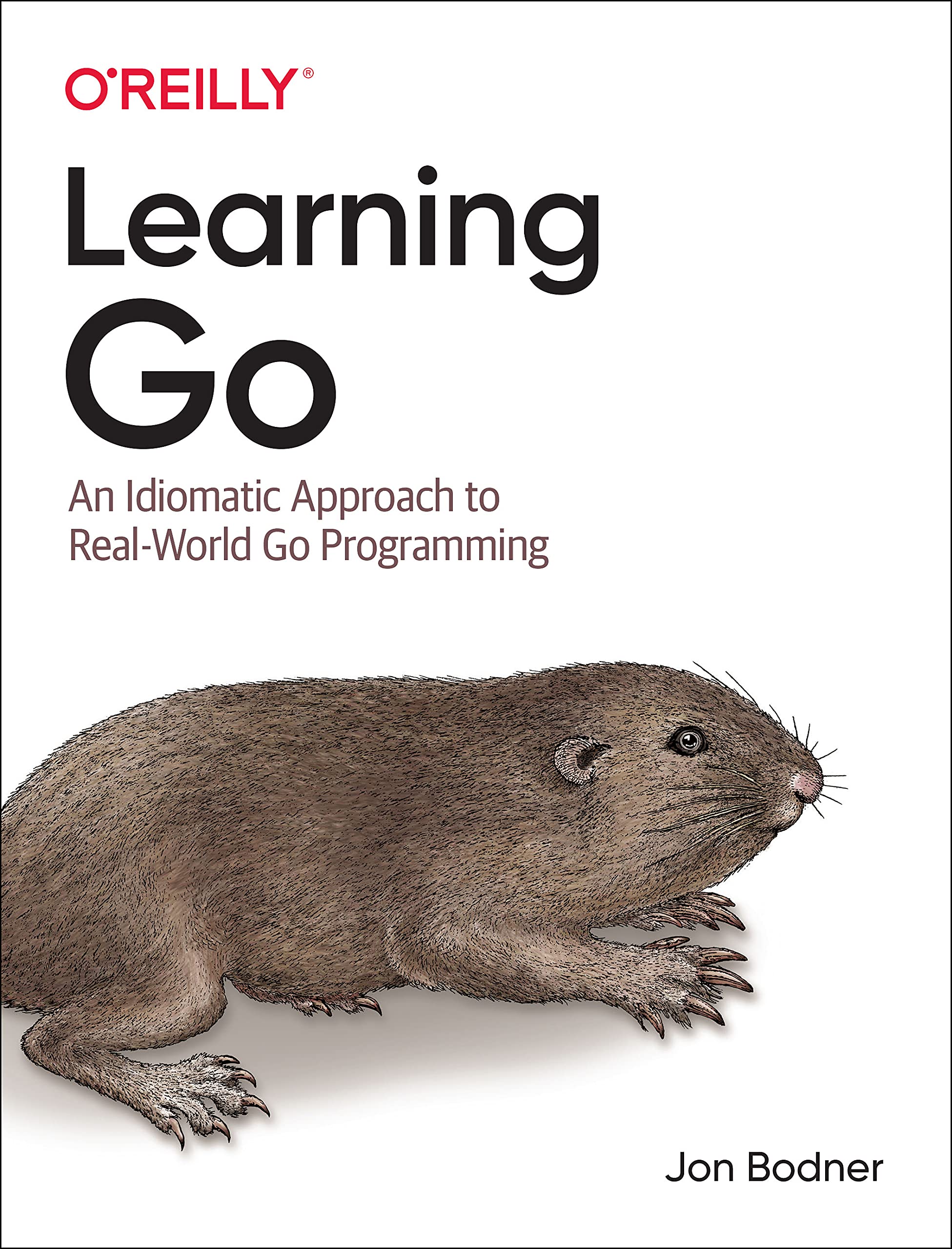
Go is rapidly becoming the preferred language for building web services. While there are plenty of tutorials available that teach Go's syntax to developers with experience in other programming languages tutorials aren't enough. They don't teach Go's idioms so developers end up recreating patterns that don't make sense in a Go context. This practical guide provides the essential background you need to write clear and idiomatic Go.No matter your level of experience you'll learn how to think like a Go developer. Author Jon Bodner introduces the design patterns experienced Go developers have adopted and explores the rationale for using them. You'll also get a preview of Go's upcoming generics support and how it fits into the language.Learn how to write idiomatic code in Go and design a Go projectUnderstand the reasons for the design decisions in GoSet up a Go development environment for a solo developer or teamLearn how and when to use reflection unsafe and cgoDiscover how Go's features allow the language to run efficientlyKnow which Go features you should use sparingly or not at all
The Software Architect Elevator: Redefining the Architect's Role in the Digital Enterprise
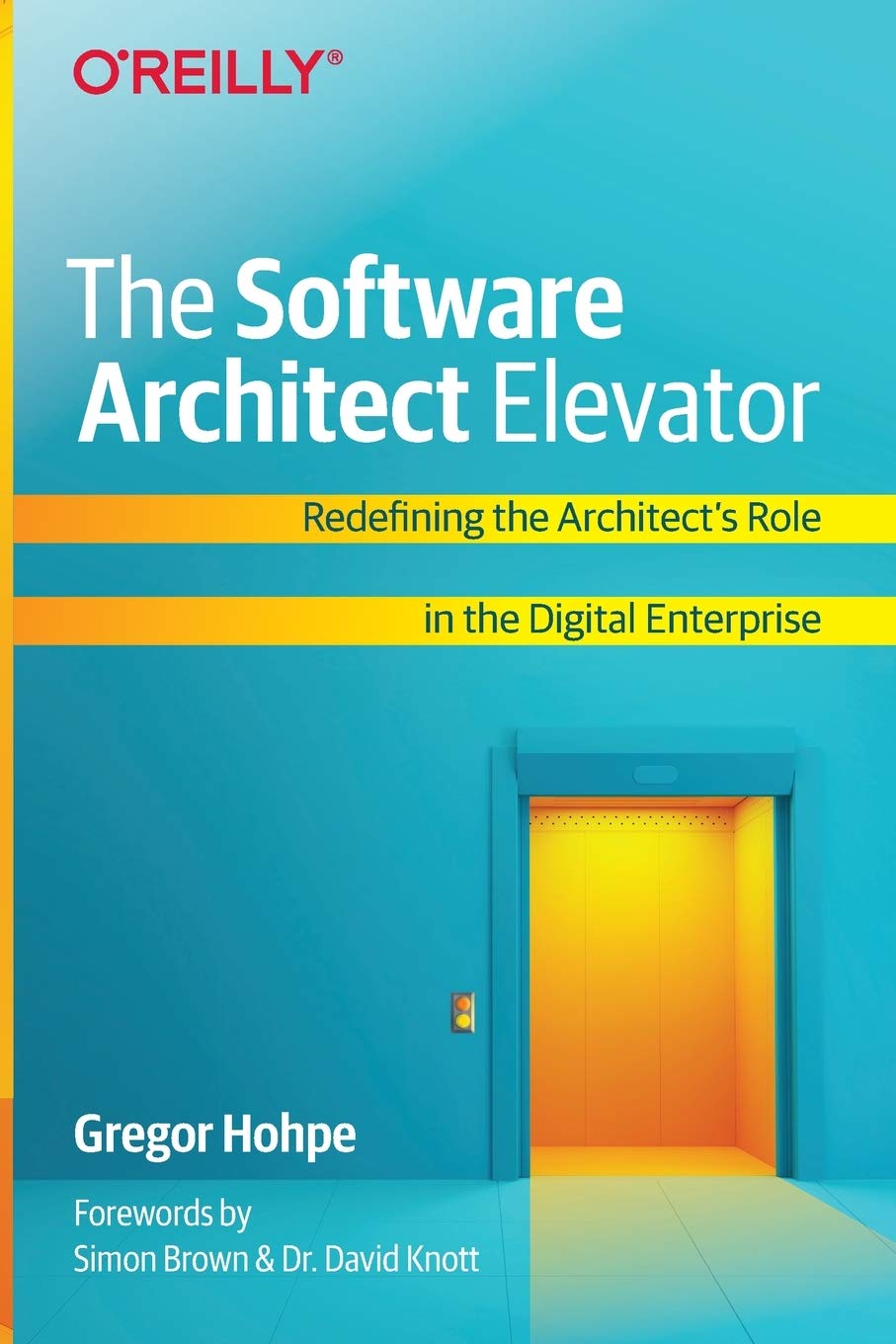
As the digital economy changes the rules of the game for enterprises the role of software and IT architects is also transforming. Rather than focus on technical decisions alone architects and senior technologists need to combine organizational and technical knowledge to effect change in their company&;s structure and processes. To accomplish that they need to connect the IT engine room to the penthouse where the business strategy is defined.In this guide author Gregor Hohpe shares real-world advice and hard-learned lessons from actual IT transformations. His anecdotes help architects senior developers and other IT professionals prepare for a more complex but rewarding role in the enterprise.This book is ideal for:Software architects and senior developers looking to shape the company&;s technology direction or assist in an organizational transformationEnterprise architects and senior technologists searching for practical advice on how to navigate technical and organizational topicsCTOs and senior technical architects who are devising an IT strategy that impacts the way the organization worksIT managers who want to learn what&;s worked and what hasn&;t in large-scale transformation
Teaching Sport Concepts and Skills: A Tactical Games Approach
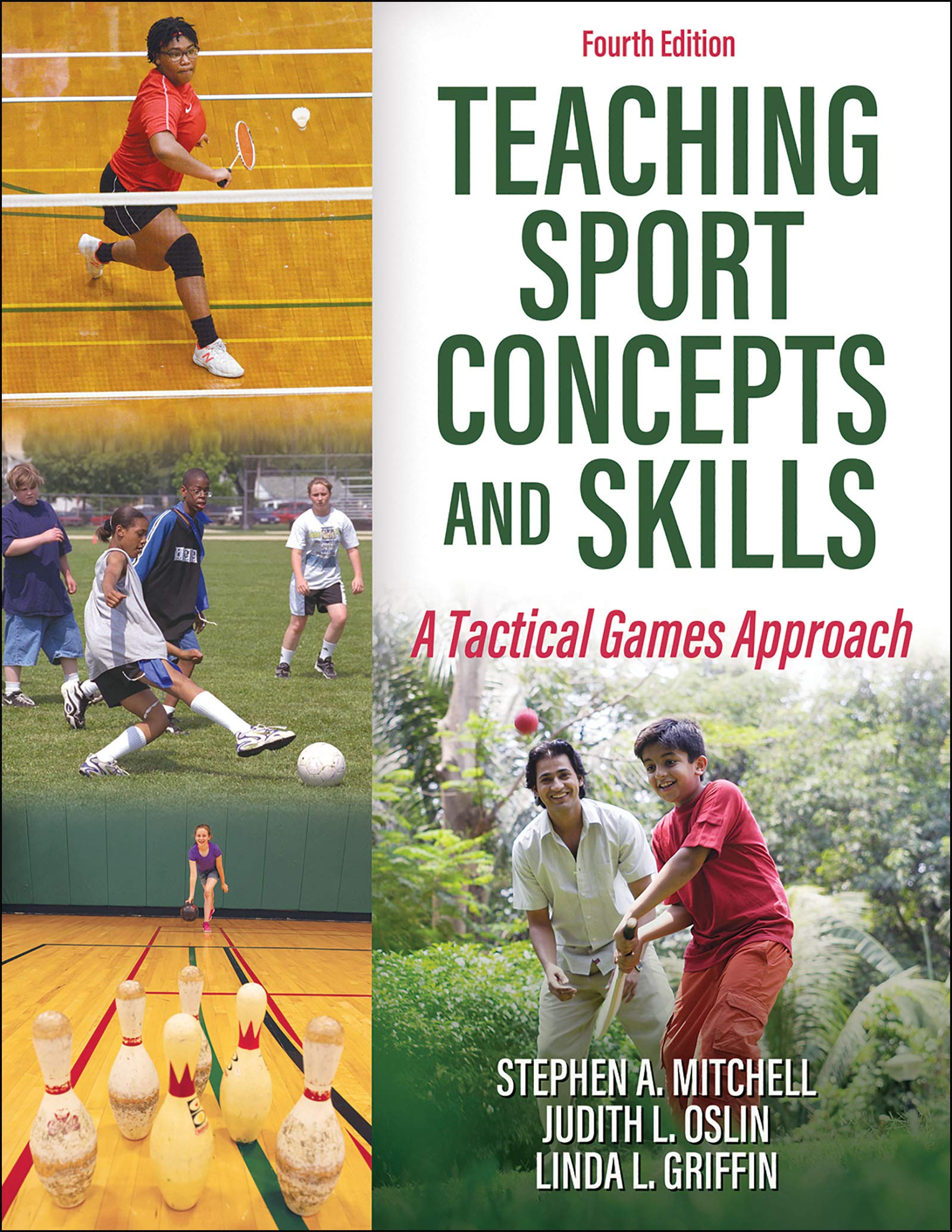
This worldwide top-selling text on the tactical games approach is stronger than ever. The fourth edition of Teaching Sport Concepts and Skills: A Tactical Games Approach adds four new chapters more lesson and unit plans and more detailed guidance in addressing broad ranges of student abilities than ever before. It offers the same stellar foundation for understanding the principles behind the approach and instruction in applying the approach to help students learn the concepts and develop the skills involved in a variety of sports. Elementary school teachers will use games to teach the basic concepts and tactics of invasion sports net and wall sports striking and fielding sports and target sports. Middle school and high school instructors will guide students in developing sport-specific technical skills for 12 sports including soccer lacrosse flag football tennis basketball and volleyball. The book has four new chapters that will help you do the following: Align the tactical games approach to content standards in the United States and other countriesUse technology in tactical games teaching and assessmentUse the games to teach social justiceDevelop approaches to teaching social and emotional learning (SEL) through tactical gamesTeaching Sport Concepts and Skills offers more than 350 detailed lesson and unit plans that can be used as is or be easily modified and incorporated into an existing curriculum. More than 240 diagrams throughout the lessons make it easy to set up and execute the games. There are 14 video clips delivered on HKPropel that show some lessons in action&;for example the volleyball segments show complete question-and-answer sessions highlighting an effective way to make sure students are understanding the lesson. Also available on HKPropel are reproducible forms including a team contract assessments and game scenario worksheets for tactical problem solving. (For each thumbnail reproducible worksheet shown in the book readers can download the full-size versions from HKPropel.) These resources will help teachers put concepts from the text into use with their students.Teaching Sport Concepts and Skills is organized into three parts: Part I offers a thorough understanding of the tactical games approach&;preparing and teaching students transferring tactical knowledge planning the curriculum assessing learner performance using games to teach social justice and to take social emotional learning into account and more.Part II provides lesson plans for varying levels of complexity&;with modifications and progressions&;for invasion games net and wall games striking and fielding games and target games all at the elementary school level. The authors take great care in helping readers understand how to individualize instruction for novice developing and advanced performers by either reducing or increasing the challenges involved with the tasks.In part III secondary-level teachers can choose from lesson plans for various levels of play in 12 sports.Teaching Sport Concepts and Skills offers expert instruction and an array of multilevel games that provide an exciting and interactive environment for learning in all domains. Current and future teachers will learn how to structure positive and engaging learning experiences that set the stage for students to improve their performance develop problem-solving skills and enhance their lifelong enjoyment of sport. Note: A code for accessing HKPropel is included with all new print books.
Head First Design Patterns: Building Extensible and Maintainable Object-Oriented Software

What will you learn from this book?You know you don't want to reinvent the wheel so you look to Design Patterns: the lessons learned by those who've faced the same software design problems. With Design Patterns you get to take advantage of the best practices and experience of others so you can spend your time on something more challenging. Something more fun. This book shows you the patterns that matter when to use them and why how to apply them to your own designs and the object-oriented design principles on which they're based. Join hundreds of thousands of developers who've improved their object-oriented design skills through Head First Design Patterns.What's so special about this book?If you've read a Head First book you know what to expect: a visually rich format designed for the way your brain works. With Head First Design Patterns 2E you'll learn design principles and patterns in a way that won't put you to sleep so you can get out there to solve software design problems and speak the language of patterns with others on your team.
Software Engineering at Google: Lessons Learned from Programming Over Time: Lessons Learned from Programming Over Time

Today software engineers need to know not only how to program effectively but also how to develop proper engineering practices to make their codebase sustainable and healthy. This book emphasizes this difference between programming and software engineering.How can software engineers manage a living codebase that evolves and responds to changing requirements and demands over the length of its life? Based on their experience at Google software engineers Titus Winters and Hyrum Wright along with technical writer Tom Manshreck present a candid and insightful look at how some of the world&;s leading practitioners construct and maintain software. This book covers Google&;s unique engineering culture processes and tools and how these aspects contribute to the effectiveness of an engineering organization.You&;ll explore three fundamental principles that software organizations should keep in mind when designing architecting writing and maintaining code:How time affects the sustainability of software and how to make your code resilient over timeHow scale affects the viability of software practices within an engineering organizationWhat trade-offs a typical engineer needs to make when evaluating design and development decisions
How to Catch a Leprechaun
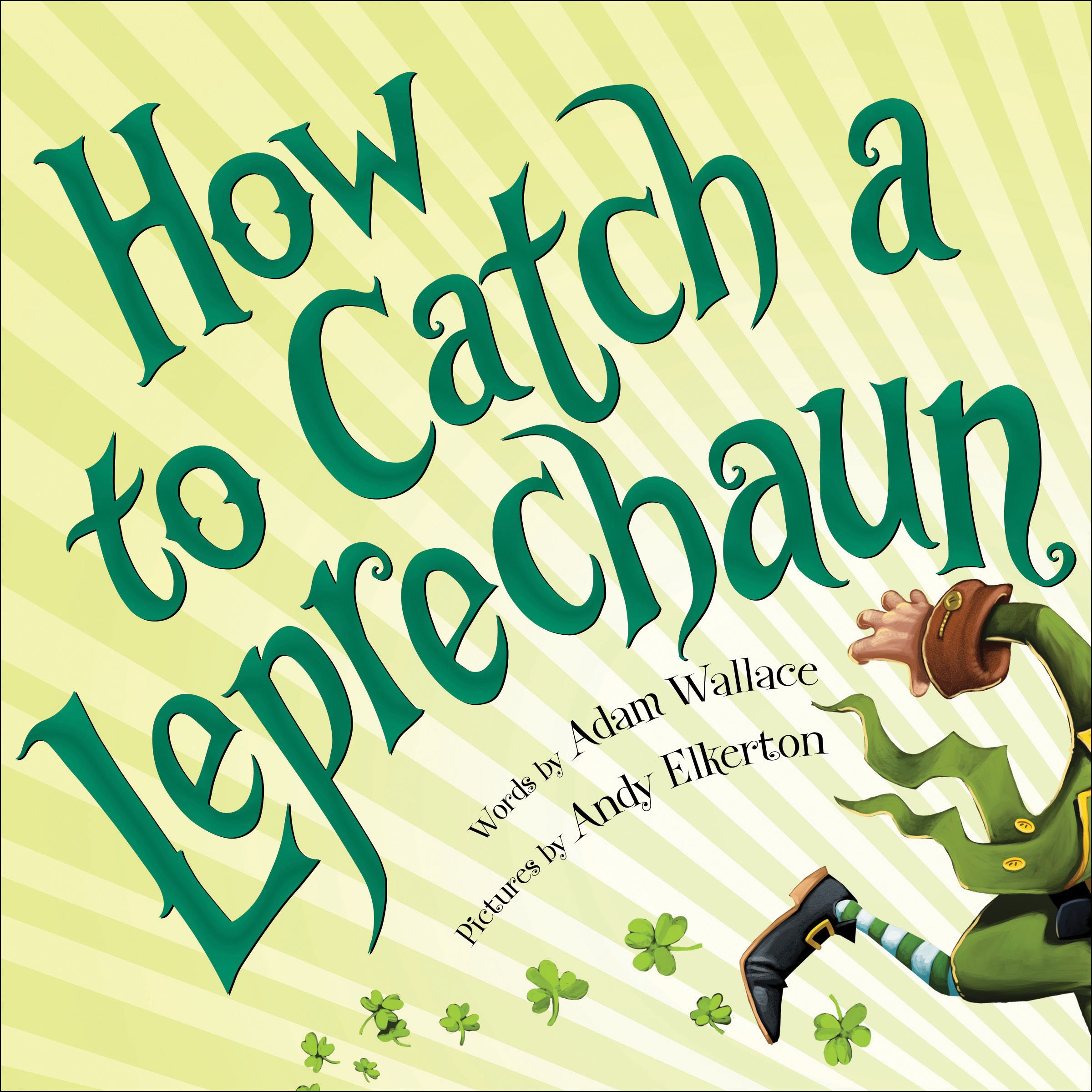
The #1 New York Times and USA Today bestseller perfect for St. Patrick's Day and beyond!You've been planning night and day and finally you've created the perfect trap with shamrocks pots of gold and rainbows galore! Now all you need to do is wait. Is this the year you'll finally catch the leprechaun? Start a St. Patrick's Day tradition with this fun and lively children's picture book and get inspired to build leprechaun traps of your own at home or in the classroom! Laugh along in this zany story for kids that blends STEAM concepts with hilarious rhymes and vibrant illustrations!How to catch a leprechaun?It's tougher than you think!He'll turn your whole house upside down.He's quicker than a wink!Also in the How to Catch Series:How to Catch a UnicornHow to Catch the Easter BunnyHow to Catch an ElfHow to Catch a MonsterHow to Catch a Turkeyand more!
Cloud Native Go: Building Reliable Services in Unreliable Environments
What do Docker Kubernetes and Prometheus have in common? All of these cloud native technologies are written in the Go programming language. This practical book shows you how to use Go&;s strengths to develop cloud native services that are scalable and resilient even in an unpredictable environment. You&;ll explore the composition and construction of these applications from lower-level features of Go to mid-level design patterns to high-level architectural considerations.Each chapter builds on the lessons of the last walking intermediate to advanced developers through Go to construct a simple but fully featured distributed key-value store. You&;ll learn best practices for adopting Go as your development language for solving cloud native management and deployment issues.Learn how cloud native applications differ from other software architecturesUnderstand how Go can solve the challenges of designing scalable distributed servicesLeverage Go&;s lower-level features such as channels and goroutines to implement a reliable cloud native serviceExplore what 'service reliability' is and what it has to do with 'cloud native'Apply a variety of patterns abstractions and tooling to build and manage complex distributed systems
Practical Statistics for Data Scientists: 50+ Essential Concepts Using R and Python
Statistical methods are a key part of data science yet few data scientists have formal statistical training. Courses and books on basic statistics rarely cover the topic from a data science perspective. The second edition of this popular guide adds comprehensive examples in Python provides practical guidance on applying statistical methods to data science tells you how to avoid their misuse and gives you advice on what&;s important and what&;s not.Many data science resources incorporate statistical methods but lack a deeper statistical perspective. If you&;re familiar with the R or Python programming languages and have some exposure to statistics this quick reference bridges the gap in an accessible readable format.With this book you&;ll learn:Why exploratory data analysis is a key preliminary step in data scienceHow random sampling can reduce bias and yield a higher-quality dataset even with big dataHow the principles of experimental design yield definitive answers to questionsHow to use regression to estimate outcomes and detect anomaliesKey classification techniques for predicting which categories a record belongs toStatistical machine learning methods that 'learn' from dataUnsupervised learning methods for extracting meaning from unlabeled data
Articulating Design Decisions: Communicate with Stakeholders Keep Your Sanity and Deliver the Best User Experience
Talking to people about your designs might seem like a basic skill but it can be difficult to do well. In many cases how you communicate with stakeholders clients and other nondesigners may be more important than the designs themselves. Because if you canâ??t get their support your work will never see the light of dayâ??no matter how good it is.This practical guide focuses on principles tactics and actionable methods for presenting your designs. Whether you design apps websites or products youâ??ll learn how to get support from people who have influence over the project with the goal of creating the best user experience.Walk through the process of preparing and presenting your designsUnderstand stakeholder perspectives and learn how to empathize with themCultivate both implicit and explicit listening skillsLearn tactics and strategies for expressing the most effective response to feedbackCreate the right documentation for your decisions to avoid repeated conversationsLearn why following through is just as important as the meeting itself

